Guest Blog: Luncheon & Secretaries Panel
This blog was written by Lofton Scholarship Recipient Kennedi Wilson, Business Development Specialist, Department of Economic Development, The City of Frederick.
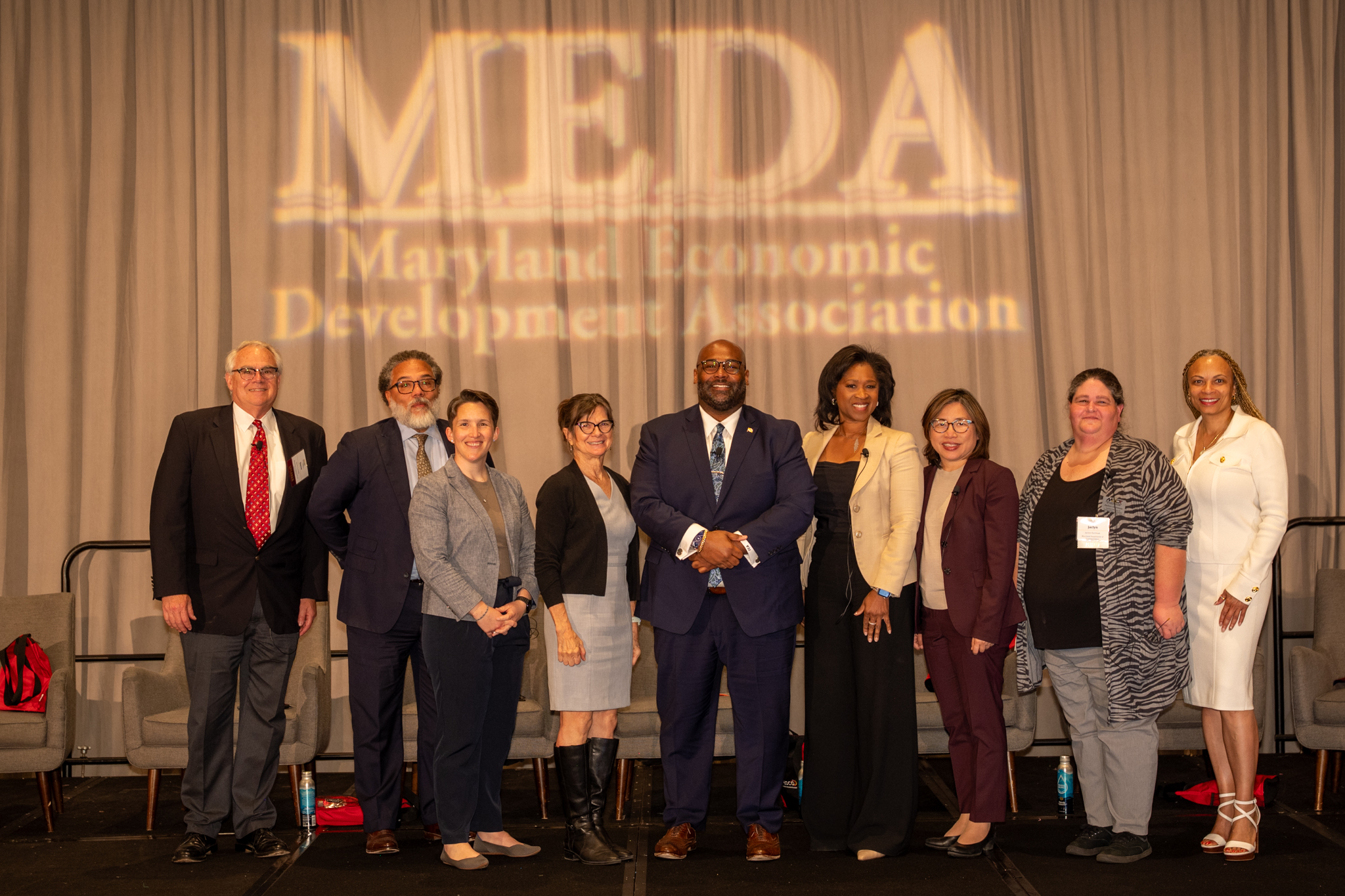
Centered around the theme, The A-MAZING World of Economic Development: Navigating Complexity. Embracing Innovation. Driving Impact, the 2026 Maryland Economic Development Association Annual Conference Luncheon & Secretaries Panel brought together state secretaries and deputy secretaries from Maryland’s most impactful agencies to drive home the critical role economic developers play as architects of systemic change. There, a unified message that transformation requires coordination across agencies, sectors, and levels of government resonated.
Moderated by MEDA Board President Tammi Thomas, the conversation highlighted that in addition to attracting business, economic development is also transforming and modernizing systems, breaking down outdated barriers, building sustainable, realistic communities, and creating equitable opportunities across every region.
Secretary Coker highlighted two top priorities driving the state’s economic direction: capital and diversification. With the state historically reliant on federal facilities and funding, Coker stressed the need for geographic diversity, “from rural to city,” in broadening economic opportunity. As part of navigating the state’s “economic development maze,” he pointed to new legislative solutions reducing bottlenecks, including early vesting and impact‑fee reforms, and praised local governments that step up as true partners, citing the Prince George’s County permitting success story on its latest development, Sphere National Harbor.
That systems-focused mindset was echoed by Secretary Rebecca Flora of Planning, who encouraged rethinking traditional planning frameworks. She called on EDOs to challenge traditional growth models and choose efficiency and vision. “We are trying to build a better frame to work with local communities to help them get there,” Flora said, advocating for a shift “from less prescriptive to a more guided approach.” With zoning practices rooted in a century‑old single‑use model, alignment between local and state planning is vital for future‑ready, visionary development.
Most notably, Secretary Walter Simmons of Social and Economic Mobility said he measures success by how well communities understand and use economic systems. “Success means that everyone knows economic [procurement] systems and knows their role,” he said, adding that leaders must work together to “take down the walls of the maze” by better connecting resources for businesses and communities.
Environmental sustainability also emerged as a cornerstone of Maryland’s strategy. “Economic growth and environmental protection go hand in hand,” explained Secretary Serena McIlwain of the Environment, emphasizing that sustainability must be embedded into every development conversation. Similarly, Deputy Secretary Steve Connelly of Agriculture presented agriculture as a connective, global force. “Farming is global,” he noted, reminding the audience that trade remains a key opportunity for growth that strengthens rural economies and state competitiveness.
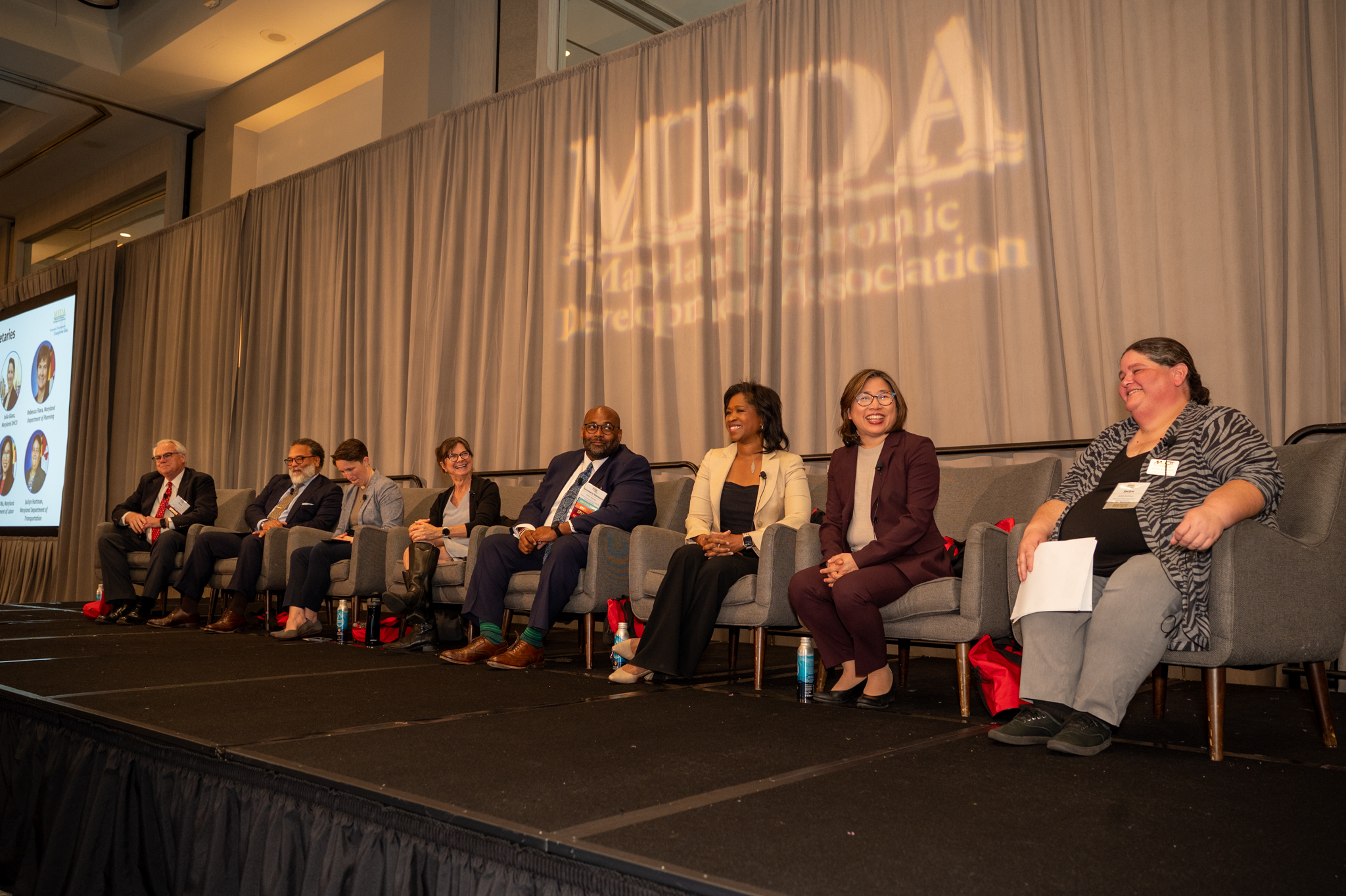
Mobility, workforce readiness, and social equity were equally central themes. Assistant Secretary Jaclyn Hartman of Transportation Investments reinforced her department’s role as a statewide partner. “We are everywhere,” she said. “We are not just transportation. We fully understand we are part of the community.” With investments in upgrading light rail in the Baltimore region or supporting short‑line rail on the Eastern Shore, Hartman believes: “You cannot have economic mobility without physical mobility.”
Meanwhile, Secretary Portia Wu of Labor addressed Maryland’s workforce challenges in an AI-driven economy, revealing the state ranks among the top five for AI-exposed occupations. She raised concerns about AI tools entering the market faster than workers and small businesses can adapt. Her focus was centered on building strong pipelines from college to career so graduates can help Maryland employers use emerging technologies effectively. With one in seven Maryland workers employed by the federal government, she emphasized that shifting federal dollars makes workforce diversification critical.
Reshaping Maryland’s economic landscape requires vision that empowers local governments, state agencies, and economic development organizations to create communities designed for future generations. As state leaders explore strategies to diversify the economy, reduce bottlenecks, and modernize systems, economic developers stand alongside and serve as key changemakers in building stronger communities throughout the state.
Through ongoing conversations like this, Maryland Economic Development Association continues to provide its members with valuable access to state leadership, ensuring economic developers remain informed, connected, and equipped to navigate evolving opportunities while transforming Maryland’s future.