Guest Blog: Workforce Access Is Economic Development: Systems, Not Silos
This blog was written by MEDA Lofton Scholar Recipient, Paul W. Ruppert, CEcD, Senior Commercial Development Manager, Charles County Economic Development Department
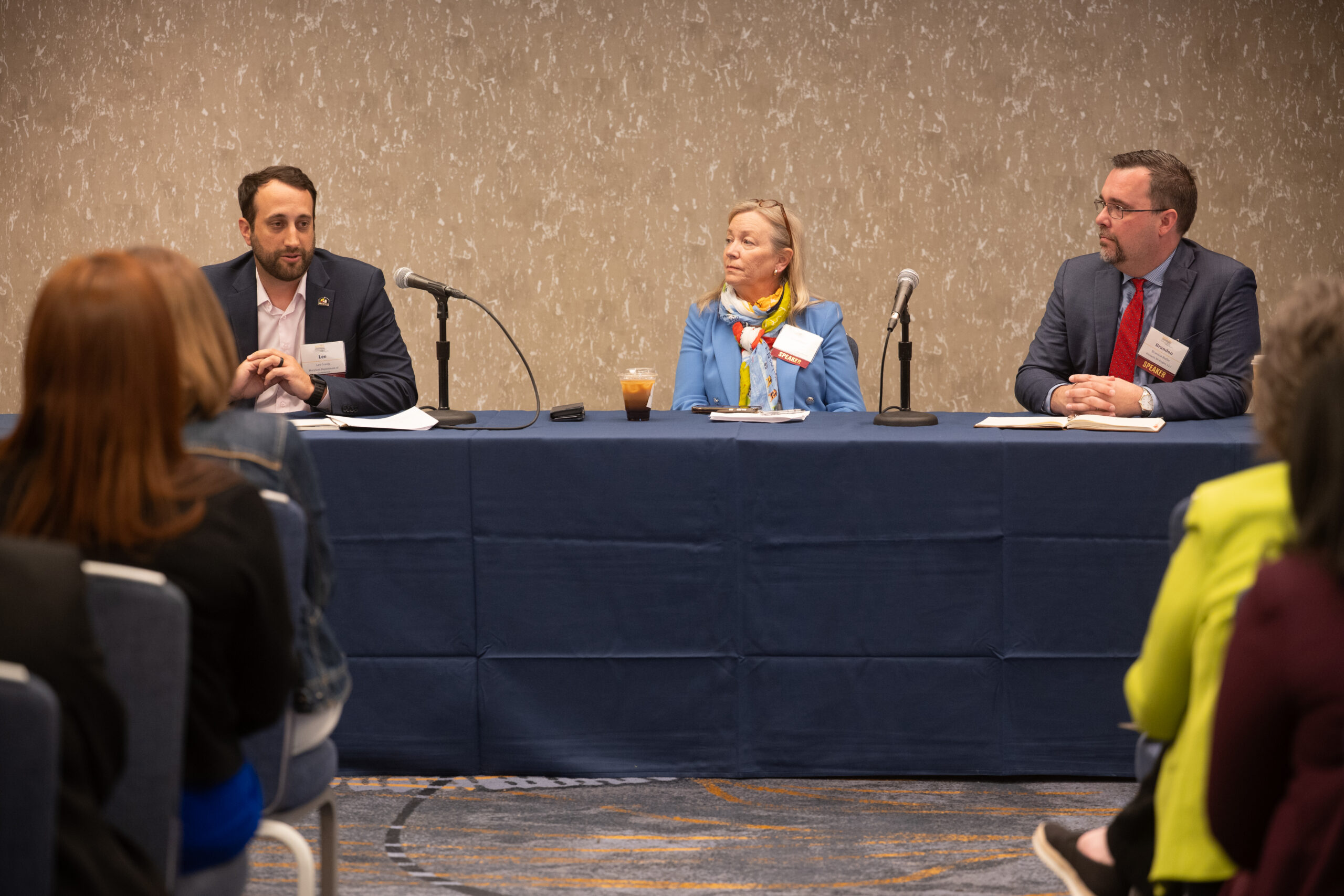
At MEDA’s Annual Conference, the session “Workforce Access & Opportunity” made one thing clear: economic development doesn’t stop at job creation—it begins there.
The session featured insights from:
- Heather Powell, Director, Carroll County Workforce Development
- Lee Greely, Senior Business Development Manager, Maryland Department of Commerce
- Brandon Butler, Director, Maryland Workforce Association
The conversation focused on what it takes to connect people to opportunity—and keep them there.
The panel opened with a shared understanding: access—not availability—is the real workforce challenge.
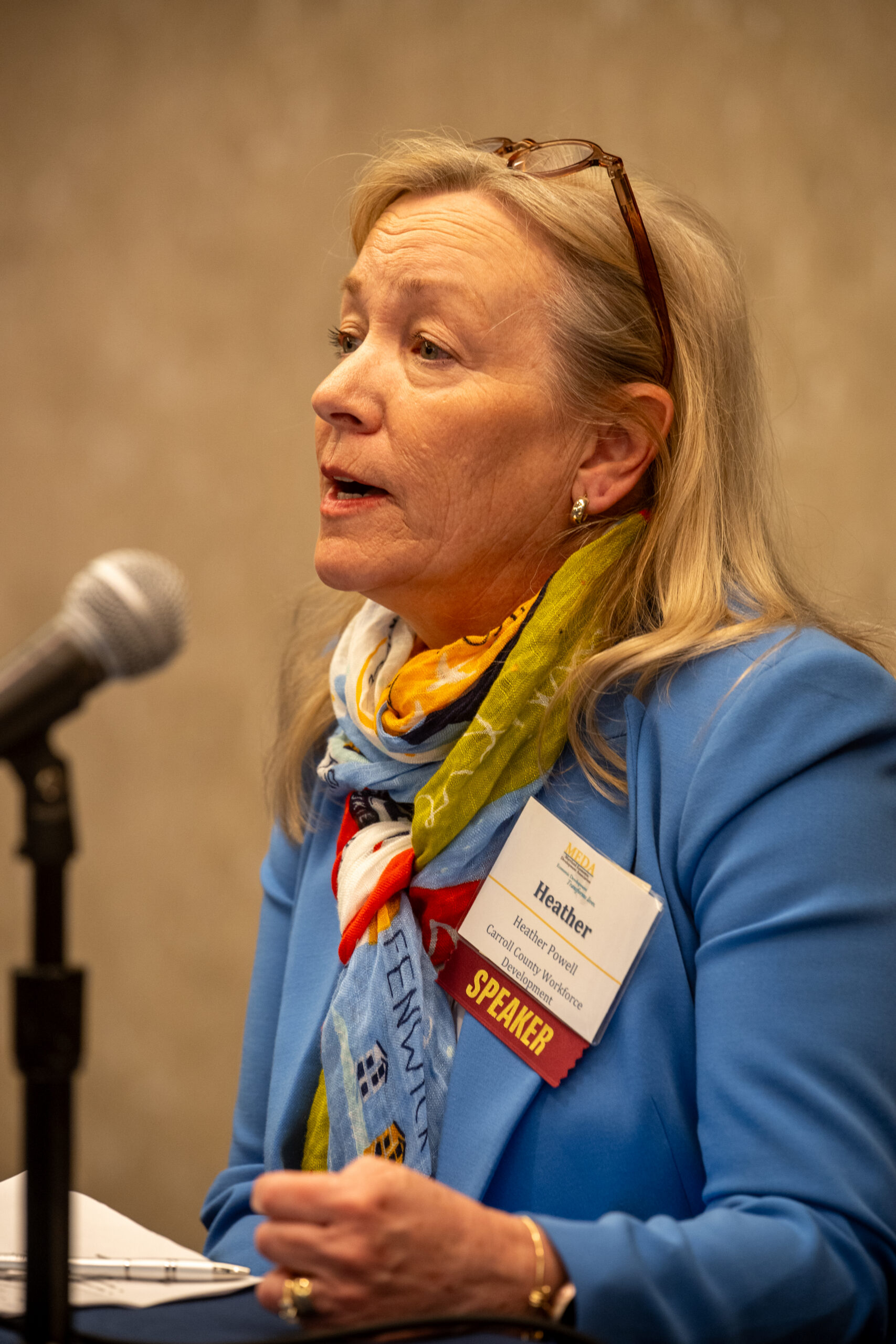
Heather Powell grounded the conversation in frontline workforce realities, emphasizing how barriers like transportation, economics, and awareness consistently prevent residents from engaging in employment opportunities—even when jobs are plentiful. Her perspective highlighted a critical shift for economic developers: success is no longer measured by how many jobs exist, but by how people can realistically access them. To increase Maryland’s workforce participation rate, stakeholders must focus on working together rather than duplicating efforts.
From a statewide lens, Lee Greely connected workforce access directly to business growth and competitiveness. He discussed how Maryland is working to better align workforce initiatives with industry demand—ensuring that businesses not only locate in the state but can scale because talent pipelines are in place. A key takeaway from his remarks was that workforce development is no longer a supporting function—it is a core economic development strategy. To create workforce programs that align with industry needs, it is an iterative process that relies on constant communication among partners.
Brandon Butler brought a systems-level perspective, emphasizing that workforce challenges cannot be solved through isolated programs. “We need to move away from the Train & Pray model of workforce development.” Instead, he focused on the importance of intentional ecosystem design—where employers, educators, workforce agencies, and community organizations operate in alignment. His message reinforced a central theme of the session: no single entity owns workforce outcomes, but everyone shares responsibility for them.
Taken together, the panelists made a compelling case that workforce access is now one of the defining factors of regional economic success.
For economic developers, this means:
- Shifting from transactional to systems-based thinking
- Prioritizing barrier reduction alongside job creation
- Acting as connectors and conveners, not just dealmakers
This session offered several practical insights that can be applied immediately:
- Start with Barriers, Not Just Opportunities
Understanding why people can’t access jobs is just as important as creating them. - Engage Employers as True Partners
Workforce strategies are most effective when shaped by real-time business needs. - Build Systems, Not Programs
Siloed efforts limit impact—alignment multiplies it. - Measure Outcomes That Matter
Focus on placement, retention, and wage growth—not just participation. - Embrace the Convener Role
Economic developers are uniquely positioned to align stakeholders across sectors.
The future of economic development will be defined by how well communities connect people to opportunity—not just how many opportunities they create. This session reinforced a powerful idea: workforce access is economic development. And the regions that recognize—and act on—that reality will be the ones that lead.